What Is an Impacted Wisdom Tooth?
Wisdom teeth are the last set of molars that grow at the back of your mouth. Usually, they appear between ages 17 and 25. Sometimes, these teeth do not have enough space to come in. As a result, they get stuck under the gum or push against other teeth. This is called an impacted wisdom tooth. Impacted wisdom tooth removal is often needed to prevent pain and other dental problems.
Common Symptoms and Signs
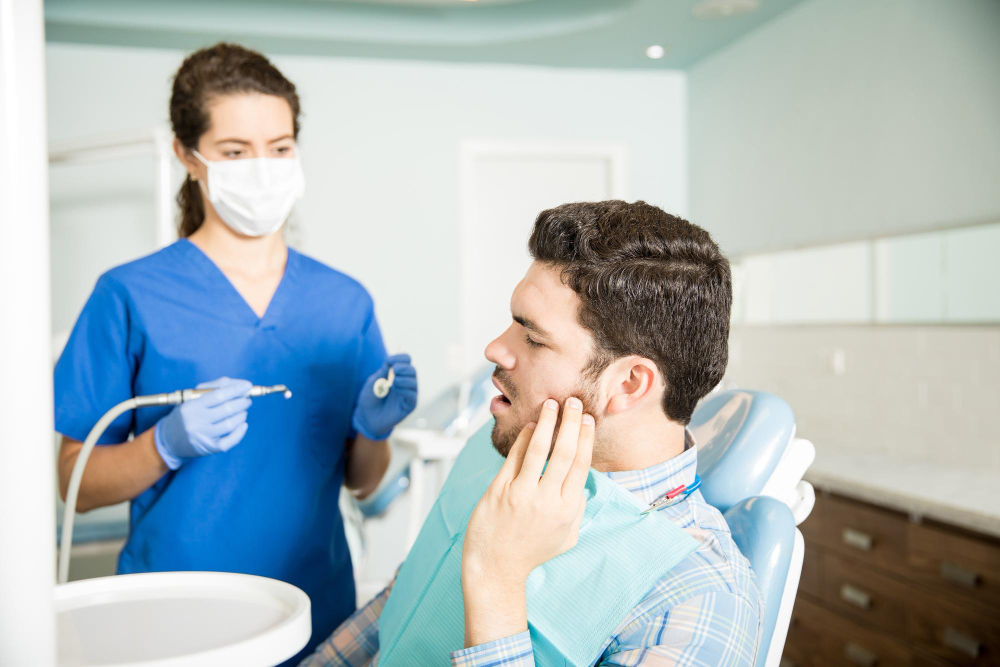
Many people do not notice problems right away. However, impacted wisdom teeth can cause several symptoms. For example, you may feel pain in the back of your mouth. Swelling or redness around the gums is also common. Sometimes, you might have trouble opening your mouth. In addition, you could notice a bad taste or bad breath. If you see these signs of impacted wisdom teeth, it is important to talk to your dentist.
Causes and Risk Factors
Several reasons can cause wisdom teeth to become impacted. For instance, your jaw may not be large enough for extra teeth. Sometimes, wisdom teeth grow at an angle or sideways. Genetics can also play a role. In many cases, crowded teeth increase the risk. Poor oral hygiene may make things worse. Because of these factors, some people are more likely to need wisdom tooth surgery.
How Dentists Diagnose Impacted Wisdom Teeth
Dentists use a few steps to find out if your wisdom teeth are impacted. First, they will ask about your symptoms. Next, they will check your mouth and gums. Often, they use dental X-rays to see the teeth below the gum line. X-rays help dentists spot teeth that are stuck or growing in the wrong direction. With this information, your dentist can decide if impacted wisdom tooth removal is needed.
When Is Surgery Necessary?
Not all impacted wisdom teeth need to be removed. However, surgery becomes necessary if you have pain, infection, or damage to nearby teeth. If cysts or gum disease develop, your dentist may also suggest surgery. Sometimes, even if you do not have symptoms, your dentist might recommend removal to prevent future problems. In these cases, wisdom tooth extraction recovery is usually easier when you are younger.
Overview of the Surgical Procedure
Wisdom tooth surgery is a common dental procedure. First, your dentist or oral surgeon will numb the area with local anesthesia. Sometimes, they may use sedation to help you relax. Next, they make a small cut in the gum to reach the tooth. If the tooth is stuck, they may need to remove it in pieces. After the tooth is out, the area is cleaned and stitched. Most people can go home the same day.
Recovery Tips and Aftercare
Proper care after surgery helps you heal faster. For example, rest for the first day and avoid heavy activity. Use ice packs to reduce swelling. In addition, eat soft foods like yogurt or soup. Do not use a straw, as it can slow healing. Keep your mouth clean by gently rinsing with salt water. If your dentist gives you medicine, take it as directed. These steps support a smooth wisdom tooth extraction recovery.
Potential Complications and How to Prevent Them
Most people recover well, but some may have complications. For instance, dry socket can happen if the blood clot comes out too soon. Infection is another risk, especially if you do not keep the area clean. Swelling, bleeding, or numbness may also occur. To prevent these problems, always follow your dentist’s advice. Avoid smoking and do not touch the area with your fingers or tongue. If you notice fever, severe pain, or pus, contact your dentist right away.
Prevention and Oral Health Guidance
While you cannot always prevent impacted wisdom teeth, good oral care helps. Brush and floss your teeth twice a day. Visit your dentist for regular check-ups. Early X-rays can help spot problems before they cause pain. If you live in a city with dental clinics, like New York or Los Angeles, find a trusted dentist nearby. With proper care, you can lower your risk of wisdom tooth problems and keep your mouth healthy.
Conclusion
If you have pain or swelling from wisdom teeth, Aryas Dental is here to help. Book a visit today to discuss your options and get gentle, expert care for a healthy smile.