
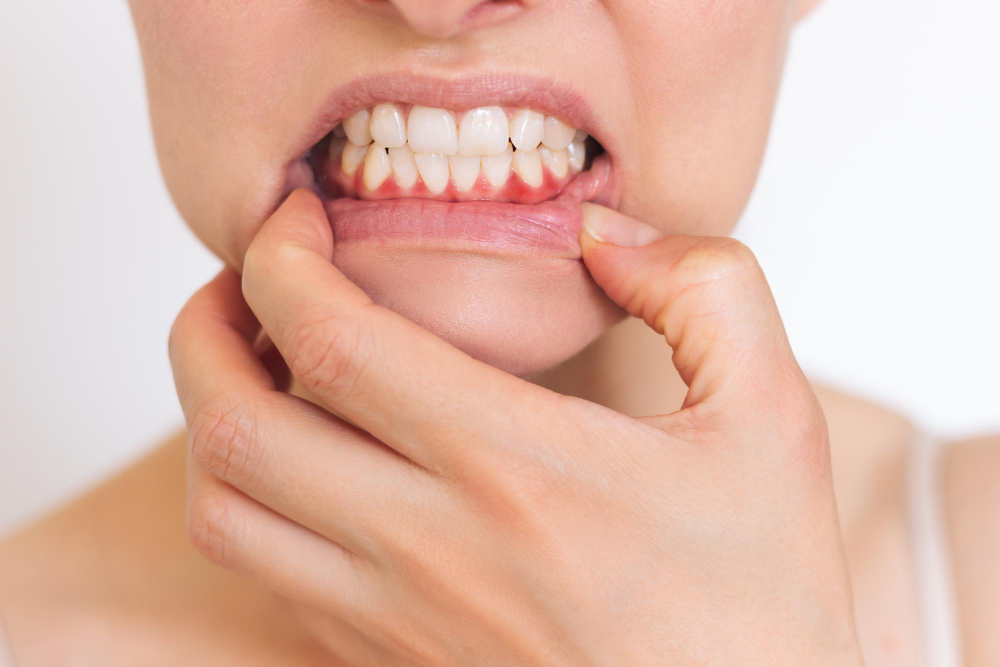
What Is Gum Disease?
Gum disease is a common problem that affects the tissues around your teeth. It starts when bacteria build up on your teeth and gums. Over time, this can lead to swelling, redness, and even tooth loss. Many people do not notice the early signs of gum disease. However, catching it early can help protect your smile. According to the CDC, gum disease is a leading cause of tooth loss in adults.
Why Early Detection Matters
Early detection of gum disease is very important. When you spot the first signs, you can take steps to stop it from getting worse. For example, early treatment can help you avoid pain, tooth loss, and costly dental work. In addition, gum disease has been linked to other health problems like heart disease and diabetes. Therefore, noticing symptoms early can help protect your overall health.
Early Signs and Symptoms of Gum Disease
It is easy to miss the early signs of gum disease. Still, knowing what to look for can make a big difference. Watch for these symptoms:
Even if these signs seem mild, they should not be ignored. For example, bleeding gums are not normal and may signal early gum disease.
Common Causes and Risk Factors
Many things can lead to gum disease. Some people are more at risk than others. Here are some common causes and risk factors:
Because some risk factors are out of your control, it is important to focus on what you can change. For instance, good daily care can help lower your risk.
How Gum Disease Is Diagnosed
Gum disease is usually found during a dental checkup. Dentists look for signs like swollen gums, bleeding, and pockets between your teeth and gums. Sometimes, X-rays are used to check for bone loss. If you notice early signs of gum disease, it is best to visit your dentist soon. Early diagnosis can help prevent more serious problems.
Treatment Options for Early Gum Disease
When gum disease is caught early, treatment is often simple. Most cases can be managed with better oral care at home and professional cleanings. Dentists may suggest:
In some cases, your dentist may recommend special treatments to help your gums heal. However, early action is key to stopping gum disease from getting worse.
Tips for Preventing Gum Disease
Preventing gum disease is possible with good daily habits. Try these gum health tips:
Because prevention is easier than treatment, these steps can help keep your gums healthy for life.
Lifestyle Changes for Healthier Gums
Making small changes in your daily life can support gum health. For example, drinking more water can help wash away food and bacteria. In addition, managing stress may lower your risk of gum disease. Try to get enough sleep and stay active. If you have health conditions like diabetes, keep them under control. These simple changes can make a big difference in preventing gum disease symptoms and keeping your smile bright.
Consult at Aryas Dental for trusted guidance and comprehensive care