Introduction to Full Arch Dental Implants
Many people lose teeth due to age, injury, or disease. For those seeking a new smile, full arch dental implants offer a strong and lasting solution. In fact, options like All-on-6 vs All-on-4 dental implants have become popular for full arch restoration. While both methods replace all teeth in the upper or lower jaw, they use different numbers of implants. Understanding these choices can help you pick the best dental implants for full arch restoration.
What is All-on-4?
All-on-4 dental implants use four implants to support a full set of replacement teeth. Usually, two implants are placed at the front of the jaw and two at an angle in the back. Because of this design, All-on-4 can often avoid the need for bone grafting. This makes it a good option for people with less bone in their jaw. The American Dental Association notes that All-on-4 is a safe and effective way to restore your smile.
What is All-on-6?
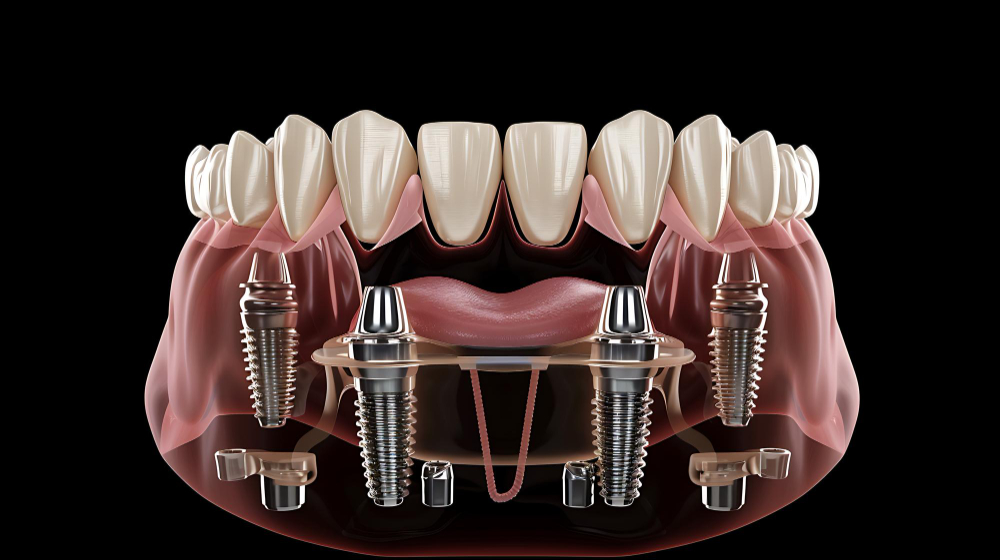
All-on-6 dental implants use six implants to hold a full arch of teeth. Unlike All-on-4, this method spreads the support across more implants. As a result, the bridge is often more stable and may last longer. Many dentists recommend All-on-6 for people with enough healthy jawbone. According to dental journals, All-on-6 can provide extra strength for those who need it.
Key Differences Between All-on-4 and All-on-6
Although both are full arch implant solutions, there are important differences between All-on-4 and All-on-6:
Because of these differences, your dentist will help you decide which is best for your needs.
Benefits and Potential Drawbacks of Each Solution
Both All-on-4 and All-on-6 dental implants have unique benefits. However, each also has some drawbacks to consider.
For many, the choice depends on bone health, budget, and personal needs.
Who is a Good Candidate for All-on-4 or All-on-6?
Not everyone is a candidate for every type of implant. Still, many adults qualify for at least one option. You may be a good candidate if you:
However, your dentist will check your health and bone levels. Sometimes, bone grafting can help those with less bone become candidates.
Procedure Overview and Recovery
Both All-on-4 and All-on-6 follow similar steps. First, your dentist will take images and plan your treatment. Next, the implants are placed in your jaw. Often, a temporary set of teeth is attached the same day. After a healing period, your permanent teeth are fitted.
Because the implants need time to bond with your bone, healing can take several months. During this time, you should follow your dentist’s advice for care and diet. Most people return to normal activities within a few days, but full healing takes longer.
Longevity, Maintenance, and Cost Considerations
Both All-on-4 and All-on-6 dental implants are designed to last many years. With good care, they can last 10 years or more. However, the bridge (the teeth part) may need replacement over time.
When it comes to cost, All-on-4 is often less expensive than All-on-6. Still, prices can vary based on your needs and location. Dental insurance may cover some costs, but you should check with your provider.
Frequently Asked Questions
Get personalised advice at Aryas Dental